What to Do After Stump Grinding: Roots, Regrowth & Replanting
August 7, 2026
Wondering what to do after stump grinding in Clemmons? Learn what's normal, what happens to the roots, when you can replant, and when you should call a pro.
If you had a stump ground out in Clemmons, Lewisville, or Pfafftown recently, you probably expected a clean patch of dirt when the crew finished. Instead, you’re left with a mound of wood chips covering a shallow depression where the tree once stood.
While that’s exactly how stump grinding is supposed to look, it doesn’t have to be the finished stage of the whole tree removal process. Whether your goal is fresh grass, a new garden bed, or replacing the tree altogether, a few simple steps will help you get there.
Key Takeaways
- A wood chip pile and shallow depression right after grinding are normal, not signs that anything went wrong.
- The lateral roots stay in the ground and break down gradually over months, not all at once.
- Grass usually goes back in much sooner than a new tree or shrub planted in the same spot.
- Ongoing sinking, roots pushing up nearby, or persistent regrowth are the signs it’s time to call your tree service back out.
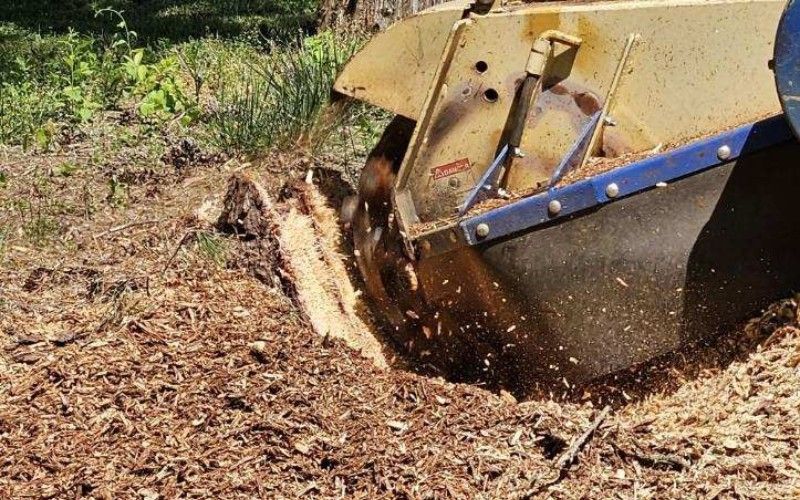
The visible stump is ground away, but the remaining roots are left underground to decay naturally over time.
What Does Your Yard Look Like Right After Stump Grinding?
Right after stump grinding, you’ll typically see a mound of wood chips covering a shallow depression where the stump used to be. While it may not look finished, that’s exactly what the area should look like immediately after the work is complete.
The stump grinder chews the stump several inches below ground level, and the resulting wood chips are left behind to fill the space. For many homeowners, this is the standard finished result.
Some tree companies also offer restoration services that leave the area looking more finished before the crew leaves, such as:
- Grind & Leave: The stump is ground below the surface, and the wood chips are left in place. You can use the chips as mulch or remove them and add topsoil before planting grass or landscaping.
- Grind & Haul to Grade: The wood chips are hauled away, the depression is filled with topsoil, and the area is graded level, making it easier to seed or landscape.
- Full Restoration: The area is restored with topsoil and grass seed (or sod, depending on the service), leaving the spot ready to blend back into the rest of your lawn.
Is It Normal for the Ground to Settle?
Yes, a small amount of settling is completely normal. Although the stump has been ground below the surface, some of the root system remains underground. As those roots and the leftover wood fibers decompose, the soil may settle slightly, creating a shallow low spot over time.
This gradual settling is expected and is usually easy to correct by adding a little topsoil as needed.
How Long Do Tree Roots Take to Break Down?
Grinding removes the visible stump, but the lateral roots stay in the ground and are left to decay naturally over time. They aren’t dug out or pulled during the job. That’s one of the biggest differences between stump grinding and stump removal.
Feeder roots, the smaller roots near the surface, usually break down within a few years. Larger structural roots can take much longer to decompose, sometimes lasting a decade or more depending on the tree species, root size, soil conditions, and moisture levels.
When Leftover Roots Can Cause Problems
Most residual roots decay without causing any issues at all. However, it’s worth contacting your tree service if you notice:
- Roots running close to sewer lines can eventually create a soft area as they decay.
- Roots near foundations can settle unevenly over time.
- Roots under paved surfaces or hardscaping can shift the surface above them.
Will the Tree Try to Grow Back After Grinding?
Some stumps send up new sprouts after grinding, and others don’t. Whether regrowth occurs depends on both the tree species and how much stored energy remains in the root system.
Why Some Stumps Sprout & Others Don’t
Some tree species are much more likely to produce new sprouts than others. In general, conifers, such as pines, firs, and spruces, do not regrow after stump grinding, while some deciduous trees readily produce new shoots from the stump or root system.
Even among deciduous species, growth patterns differ. Some trees are more likely to send up new shoots directly from the old stump, while others are more prone to suckering from the root system itself, which can mean new sprouts appearing several feet away, not just at the original site.
What to Do If You See New Growth
If regrowth occurs, it’s usually easy to manage on your own. A few small sprouts during the first growing season can typically be trimmed as they appear. If the regrowth is persistent, unusually vigorous, or keeps returning despite repeated cutting, it’s worth having your tree service take another look.
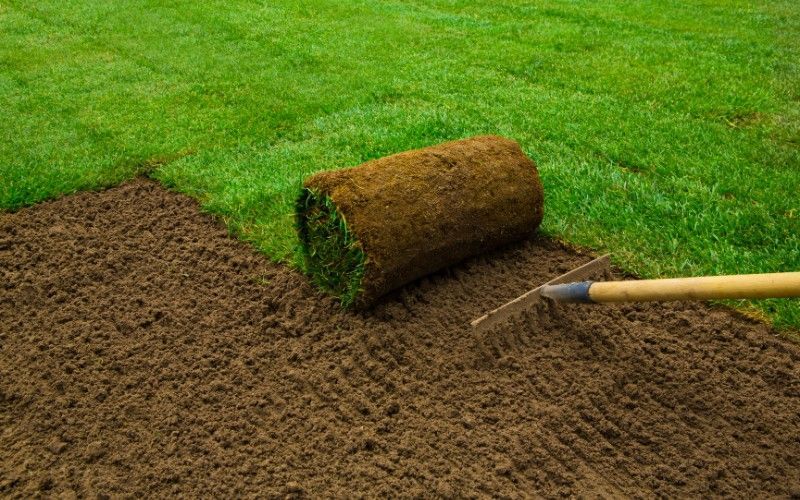
Once the area is filled with clean soil and leveled, grass or sod can usually be installed much sooner than a new tree or shrub.
Can You Plant Grass or Something New Where the Stump Was?
Grass and other shallow-rooted plants can usually be planted soon after stump grinding once you’ve added a few inches of clean topsoil over the area.
Grass and Shallow-Rooted Plants
Fresh wood chips can temporarily tie up some nitrogen right at the surface if they’re tilled into the soil rather than left as mulch on top. This can leave grass looking a little pale until it settles out. The effect is minor and short-lived, not a reason to hold off on reseeding.
New Trees or Shrubs in the Same Spot
If you’re planning something with deeper roots, like a new tree or shrub rather than grass, it’s usually better to plant it a few feet away from the original stump. Compaction and decomposing roots below make that exact spot a tougher start for anything with a serious root system.
When Is It Worth Calling Your Tree Service Again?
Most changes after stump grinding are part of the normal process. However, it’s worth reaching out if you notice:
- A large or rapidly developing depression rather than the gradual settling expected over time.
- Persistent tree sprouts growing from the old root system, especially if they keep returning after being cut.
- Unexpected soft spots that continue to worsen instead of stabilizing.
- Questions about replanting or restoring the area if you’re unsure of the next steps.
If something doesn’t look right, it’s always better to ask. A quick inspection can confirm whether what you’re seeing is a normal part of the stump grinding process or if additional work is recommended.
Frequently Asked Questions About Stump Grinding
Is it safe for kids or pets to be around the area right after grinding?
Yes, once the loose debris is cleared. The depression itself isn’t hazardous, though wood chips can hide uneven footing until the area settles.
How much topsoil do you need to fill a stump grinding hole?
A few inches spread evenly is usually enough for grass. Larger stumps may leave a deeper dip that needs more than one application as the ground continues to settle.
What can you do with leftover wood chips after stump grinding?
Spread them as mulch in garden beds, use them to fill low spots elsewhere in the lawn, or set them aside for compost. Untreated chips break down safely wherever you put them.
Does stump grinding attract pests like termites or ants?
Wood chips left on the surface for an extended period can provide habitat for insects as they decompose, which is one reason some homeowners choose a haul-away or restoration option. However, a fresh pile of stump grindings isn’t likely to create a termite problem on its own.
Can I mow over the area right away?
Once the area is filled and level, light mowing is generally fine. Just go slowly over the spot until you’re sure the ground has settled evenly.
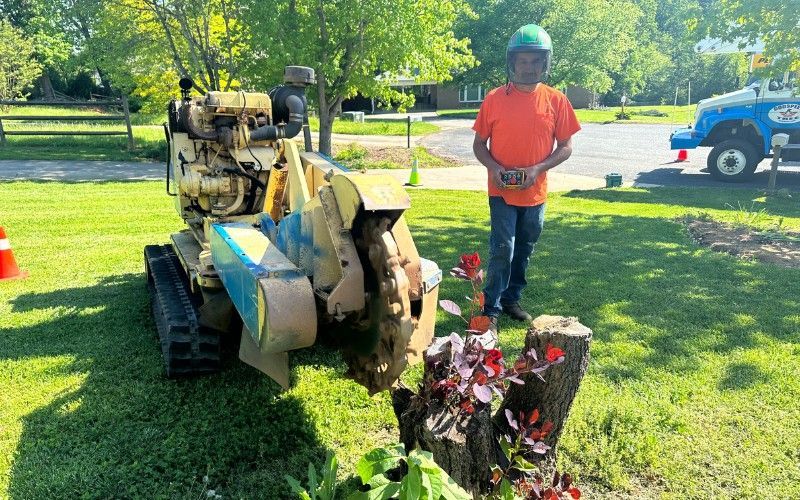
Before grinding begins, the operator positions the machine to remove the stump several inches below ground level.
Need Stump Grinding or Have Questions About an Existing Stump?
Whether you’re planning a tree removal or wondering if an older stump should be ground down, the team at Godspeed Tree Service is here to help. We’ll explain what to expect before the work begins, recommend the right restoration option for your yard, and answer any questions after the job is complete.
Call 336-448-3088 or request a quote online to schedule your free estimate.

Godspeed Tree Service
Owned and operated with high standards and consistent reliability by Bobby Gates, Godspeed Tree Service has earned the trust of the North Carolina Triad community over the course of more than 25 years in business. With a strong emphasis on safety, conscientious training, and accommodating the needs of each client, you can't go wrong by hiring Godspeed for any of your tree service needs!