Did Winter Damage Your Trees? 4 Warning Signs Winston-Salem Homeowners Should Check for This Spring
March 17, 2026
Winter tree damage often stays hidden for months after ice storms. Our Winston-Salem experts reveal warning signs that prevent dangerous failures.
2026’s brutal ice storm placed tremendous stress on trees across Winston-Salem, coating branches in heavy ice and snow. Now, as severe spring weather moves through the Piedmont Triad – with strong winds already bringing down trees in recent storms – the effects of that winter damage are becoming more apparent.
Ice loading can leave behind hidden structural weaknesses that aren’t immediately visible. Branches may develop internal cracks, root systems can loosen in saturated soil, and the added weight can shift the tree’s structural balance, making it far more likely to fail when weather is less than favorable.
Knowing what to look for when you inspect your trees this spring will help you identify these issues early and determine when it’s time to schedule a professional storm damage assessment.
Key Takeaways
- Ice storms create hidden stress fractures and structural damage in trees that often isn’t visible for weeks or months after the initial weather event.
- Homeowners can identify warning signs like bark separation, new cracks, changed tree posture, and hanging branches through careful ground-level inspection.
- Professional assessment after major winter storms helps prevent dangerous tree failures and costly emergency situations.
- Trees with winter damage can often be saved through selective pruning, cabling systems, or restoration techniques rather than complete removal.
How Does Winter Weather Cause Hidden Tree Damage?
Hidden winter storm damage occurs when ice accumulation and heavy wind push trees beyond their structural limits without causing immediate, obvious failure. Just one quarter-inch of ice coating can add hundreds of pounds of weight to tree branches, creating stress points throughout the tree’s structure. The ice load often creates microscopic cracks in wood fibers and stress fractures that weaken the tree’s integrity.
Wind also compounds the problem by twisting and torquing branches in unnatural directions. This torsional stress can partially separate bark from the underlying wood or create spiral fractures that aren’t visible from the ground. Temperature fluctuations make existing damage worse as freeze-thaw cycles expand and contract these tiny cracks, gradually widening them over time.
The most dangerous aspect of hidden winter damage is its delayed nature. A branch that survived a previous ice storm might finally succumb during a mild windstorm months later, when homeowners least expect it. Spring growth also puts additional pressure on compromised structures as trees begin moving water and nutrients through damaged vascular systems.
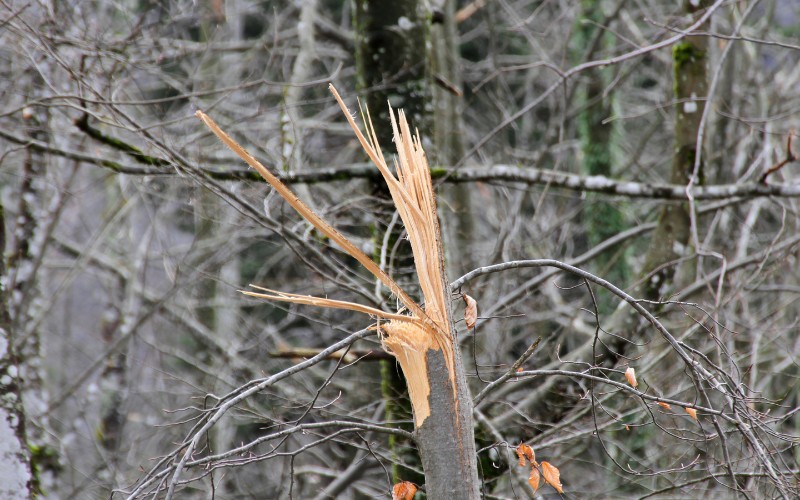
Ice loading can cause catastrophic branch failures that leave dangerous jagged breaks and exposed wood vulnerable to decay.
What Are the Signs of Hidden Winter Tree Damage?
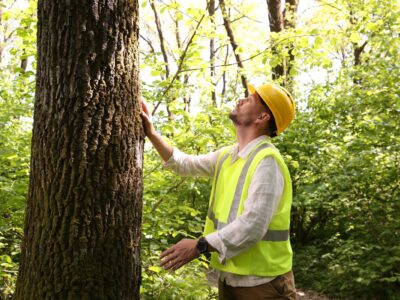
Several visual indicators can help you identify trees that suffered hidden structural damage during Winston-Salem’s recent winter weather. After the snow and ice clear, we recommend walking your property and conducting an inspection from the ground to see if you can identify any damage.
SAFETY FIRST: If you notice any hanging branches over walkways, driveways, or structures; visible cracks extending more than halfway through a trunk; trees leaning toward houses or power lines; or large branches resting on structures, keep people and pets away from the area and call a professional immediately. These situations require urgent attention and should never be handled as DIY projects.
Damage to Branches and Trunk
Start your inspection by walking around each tree and looking for obvious changes in the bark and wood. Stress cracks often appear as thin lines running vertically, horizontally, or in spiral patterns around the trunk or major branches. These cracks may be barely visible hairline fractures or more obvious separations where you can see exposed wood underneath.
Pay special attention to areas where bark appears loose or separated from the wood beneath it. This “bark slippage” indicates the cambium layer was damaged, which compromises the tree’s ability to transport nutrients. Look for any newly exposed wood areas or wounds that weren’t there before the storm, as these represent fresh damage sites that may continue to worsen.
Hanging or partially broken branches are immediate red flags. Even small broken stubs that weren’t cleanly severed can indicate more extensive damage higher in the canopy that you can’t see clearly from the ground.
Changes in Tree Structure and Posture
Trees that suffered hidden damage often develop subtle changes in their overall shape and stance. Look for any new lean or changes in the angle of existing lean. A tree that previously stood straight but now tilts even slightly may have suffered root damage or trunk compromise.
Examine the overall crown shape for asymmetry. If one side of the tree appears noticeably heavier or different from the other side, this could indicate broken or damaged branches on the lighter side. Similarly, if the top of the tree appears flattened or missing its central leader, hidden breakage may have occurred.
Watch for branches that now touch the ground when they didn’t before, or unusual gaps and spacing between major limbs that suggest hidden structural failures.
Root and Base Indicators
Winter storms can cause significant but hidden damage to root systems, especially in saturated soils. Look for any roots that have become exposed or lifted around the base of the tree. Soil cracking or heaving in a circle around the trunk indicates the root system may have shifted.
New spaces between roots and soil suggest the root ball has moved or partially uprooted. This type of damage is particularly common after ice storms, when top-heavy trees rock back and forth in the wind.
Additionally, check for any mushrooms or new fungal growth appearing at the base of trees, as these can indicate stress or decay that allows opportunistic organisms to establish themselves.
Canopy and Leaf Pattern Changes
As spring progresses, hidden winter damage often becomes apparent through changes in foliage patterns. Damaged branches may leaf out later than healthy portions of the tree, or show signs of stress, like wilting or yellowing, in specific sections.
Look for unusual branch drooping or hanging that wasn’t present before winter. Dead zones within otherwise healthy-looking canopies often indicate vascular damage from winter stress. These signs are even more important if the branch is hanging above a structure.
Species-Specific Problems
Different tree species common in Winston-Salem neighborhoods show distinct patterns of hidden winter damage:
- Large Oaks: Watch for branch fractures at major fork points where multiple leaders diverge and look for subtle cracks or swelling at these junction points.
- Maples: Check for trunk splitting, especially where the main stem divides into multiple leaders, as ice loading can cause these weak points to partially separate even when the tree remains standing.
- Pine Trees: Look for hidden top breakage that may not be immediately visible from the ground, resin bleeding from wounds, or unusual browning in the upper canopy that might indicate broken terminals.
- Sweet Gums: Monitor for damage to their main leaders, which may split partially without completely separating, creating a dangerous structural weakness.
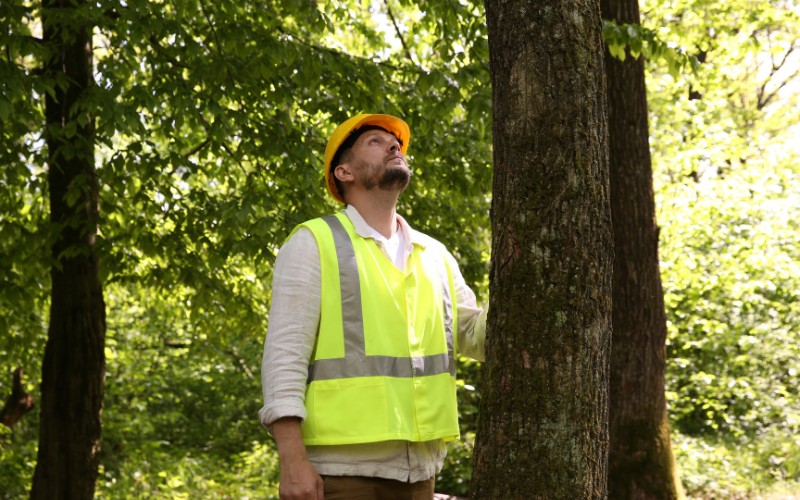
Professional arborists use specialized training to identify hidden structural damage that homeowners cannot see from ground level.
When Should You Get a Professional Tree Assessment?
If you notice signs of damage or structural concerns during your inspection, it may be time to call a professional. We recommend seeking professional help in situations involving:
- Hanging branches
- Extensive cracks in major branches or the trunk
- New leaning toward structures or power lines
- Exposed roots
- History of storm damage for the tree
An arborist can perform a more detailed examination of the tree and give you an assessment of its health and stability. After the assessment, they’ll suggest the next step to fix the problem and keep your property safe during the next storm.
What Services Do Tree Care Professionals Provide for Winter Tree Damage?
Professional tree services offer comprehensive solutions for addressing hidden winter damage through both emergency and restoration services, such as:
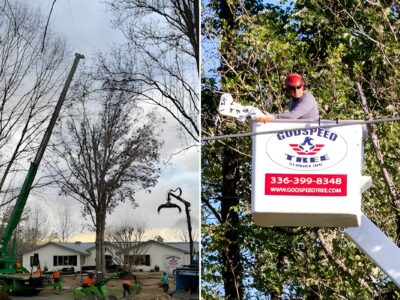
- Tree Removal: Professional arborists provide safe removal of compromised trees that cannot be saved through restoration methods, including crane-assisted removal for trees positioned over structures where traditional felling would cause property damage.
- Selective Pruning: Tree care specialists remove damaged limbs while preserving the tree’s health and structural integrity to save valuable trees.
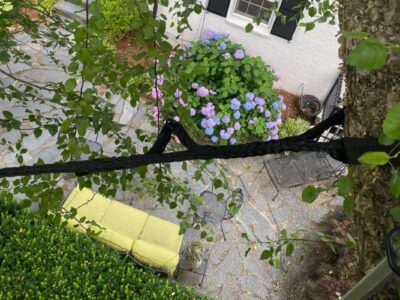
- Cabling and Bracing Systems: Certified Arborists install cables and braces for trees with structural compromise but good long-term potential, using specialized equipment for complex installations.
- Tree Restoration Techniques: Professionals apply revival and recovery methods for trees showing signs of stress from winter damage that may be candidates for restoration rather than immediate removal.
Frequently Asked Questions About Winter Damage in Trees
How long after an ice storm can trees fail from hidden damage?
Hidden damage can cause tree failures anywhere from days to several months after the initial storm, with many failures occurring during subsequent weather events. Spring windstorms often trigger failures from winter damage that went unnoticed.
What should I do if I spot a hanging branch in my tree?
If you spot a hanging branch in your tree, keep people and pets away from the area immediately and contact a professional tree service. Never attempt to remove hanging branches yourself, as they can fall unexpectedly and cause serious injury or property damage.
Can I climb my tree to get a better look at potential damage?
Never climb a potentially damaged tree. This is extremely dangerous and should only be done by trained arborists with proper safety equipment. Hidden structural damage can cause catastrophic failure during climbing.
Which trees in Winston-Salem are most likely to have hidden winter damage?
Large oaks, maples, and pine trees are most vulnerable to hidden winter damage, especially mature specimens in established neighborhoods like Ardmore and West End. Trees with multiple leaders or previous storm damage are also at higher risk.
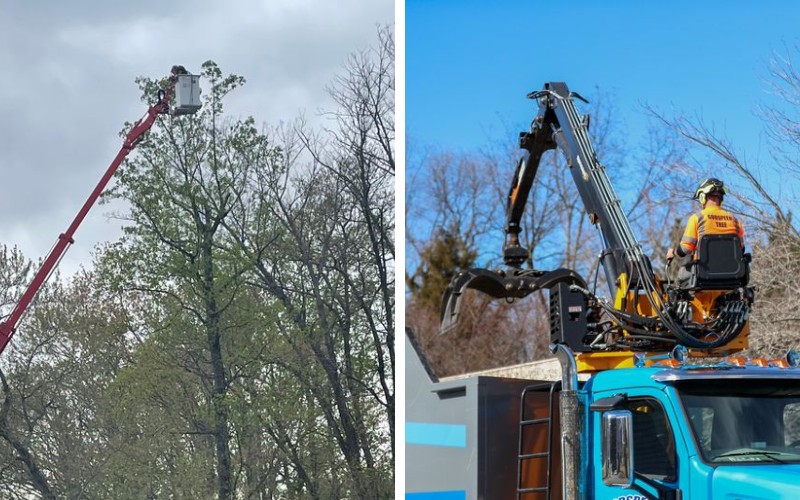
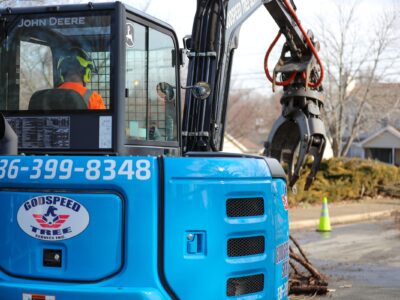
Addressing winter damage may require specialized equipment, such as bucket trucks for pruning or crane-assisted removal of compromised trees near structures.
Don’t Wait Until It’s Too Late – Take Care of Hidden Winter Storm Damage Today
Don’t wait for hidden damage to become a dangerous emergency. Early identification and professional assessment can save you thousands in property damage and protect your family’s safety. Damaged trees can fail at any time, and following a year-round tree care schedule helps homeowners stay proactive about post-storm inspections and seasonal tree health monitoring.
At Godspeed Tree Service, we offer comprehensive post-storm assessments throughout the Winston-Salem area to ensure your trees are in good health before the spring and summer storms start. Call us today at 336-448-4621 or request a quote online for help with your winter storm-damaged trees.

Godspeed Tree Service
Owned and operated with high standards and consistent reliability by Bobby Gates, Godspeed Tree Service has earned the trust of the North Carolina Triad community over the course of more than 25 years in business. With a strong emphasis on safety, conscientious training, and accommodating the needs of each client, you can't go wrong by hiring Godspeed for any of your tree service needs!