Tree Pruning vs Removal: How to Decide What’s Best for Your Tree
February 10, 2026
Ice storm left your tree damaged? Tree pruning vs removal isn't always obvious. Learn how arborists evaluate damage and determine the safest next step.
Is that ice-damaged tree in your yard a survivor or a hazard? After recent winter storms left cracked limbs and bent branches across Winston-Salem, that’s the question homeowners throughout Forsyth County are asking.
Remove a tree that could have been saved, and you’ve lost decades of shade, property value, and neighborhood character. Keep a hazardous tree standing, and you’re gambling with your family’s safety. When it comes to tree pruning vs removal, the answer depends on where the damage occurred — and how much of your tree is affected. Here’s what to look for, what the damage thresholds actually mean, and how to tell if your tree is worth saving before someone talks you into cutting it down.
Key Takeaways
- If more than half your tree is damaged, dead, or diseased, removal is usually the safest choice.
- Trunk and root damage matter more than branch damage — a tree can lose limbs and recover, but significant trunk cracks or root upheaval are often irreversible.
- Late winter is the ideal time to act because dormant trees heal faster from pruning and leafless canopies make removal safer.
- An honest arborist won’t push removal if pruning will work, so get a professional assessment before booking either type of service.
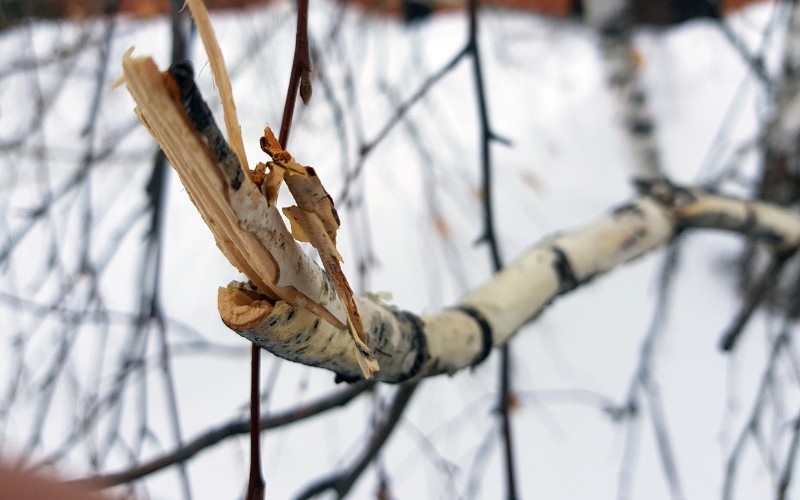
A fresh branch break like this one is a clear sign of storm damage; but whether the tree needs pruning or removal depends on where and how much of the tree is affected.
What Are the Signs Your Tree Can Be Saved with Pruning?
Trees with damage limited to outer branches — rather than the trunk or major scaffold limbs — are often good candidates for corrective pruning.
If your tree has symptoms like these, you’re likely able to help with a pruning service:
- Damage confined to smaller branches (not the trunk or major limbs)
- Less than 25% of the canopy affected
- Disease or pest damage isolated to specific limbs that can be removed
- Structural issues, like crossing branches or minor lean, that can be corrected
- Healthy root system with no signs of upheaval or decay
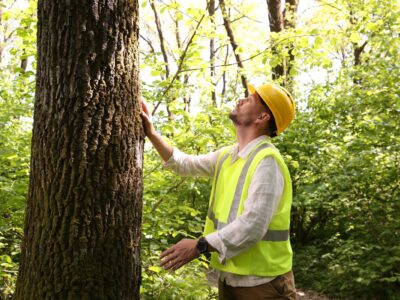
However, it’s important to remember: these are guidelines, not guarantees. Especially with borderline cases — where damage hovers around that 25% mark or you’re unsure about trunk health — it’s vital to have a professional evaluation before you start booking appointments. An ISA Certified Arborist can assess whether your tree is a good candidate for tree pruning services or if the damage runs deeper than it appears.
When Does a Tree Need to Be Removed?
A tree needs removal when damage compromises its structural integrity beyond repair — typically when more than half the tree is affected or when trunk and root systems are severely damaged.
Here are the damage thresholds arborists use to evaluate structural integrity and ultimately decide what to do next:
- The 50% Rule: If more than half the tree is dead, damaged, or diseased, removal is typically the safest option.
- The 25% Trunk Rule: Trunk damage exceeding 25% of the circumference compromises structural integrity beyond repair.
- The 1/3 Hollow Rule: If more than one-third of the trunk’s interior is hollow or rotten, the tree lacks the structural support to remain standing safely.
Other situations that point toward removal (but aren’t included in the threshold categorization) include severe lean — which is particularly important if it’s new or sudden — extensive root damage or upheaval, and trees that were topped in the past and never recovered proper structure.
Visual Warning Signs of Internal Decay
Beyond structural damage you can see from a distance, some trees show subtler signs of internal decay — problems that typically can’t be reversed:
- Mushrooms or shelf fungi growing on the trunk
- Bark falling off in large sections (not normal seasonal shedding)
- Major cracks or splits running through the trunk
- Exposed or damaged roots on one side of the tree
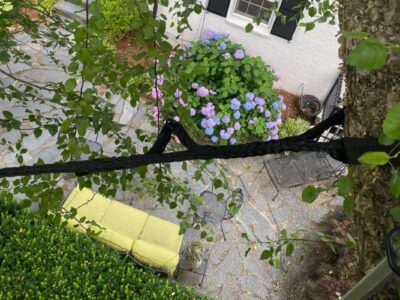
DID YOU KNOW?: Some trees that seem destined for removal can actually be saved with a cable support system. If your tree has a structural weakness — like a V-shaped crotch or co-dominant stems — ask your arborist whether cabling might be an option before deciding on removal.
Why Late Winter Is the Best Time for Tree Pruning or Removal in Winston-Salem
Late winter — typically mid-January through early March in our area — gives you the best conditions for both pruning and removal. Trees are dormant, so they heal faster from pruning cuts. And without leaves blocking the view, it’s easier to spot structural problems and safer for crews to work.
Why Dormant Trees Heal Faster After Pruning
Pruning cuts made in late winter seal faster because the tree isn’t bleeding sap or fighting off insects, and the surge of spring growth helps close wounds before problems set in. That timing advantage shows up in a few ways:
- Less Stress on the Tree: Dormant trees aren’t splitting resources between new growth and wound recovery, which means more purposeful, cleaner healing.
- Faster Wound Closure: Wounds seal quickly when growth resumes, reducing the window for disease and pests to enter through open cuts.
- Better Visibility: Without leaves in the way, it’s easier to see the full branch structure and make precise cuts; late winter pruning works best for most deciduous trees in our region.
Why Leafless Trees Are Easier to Remove Safely
Removing a tree in winter gives crews better control and reduces risk to your property for several reasons:
- Reduced Weight: Without their leaves, trees weigh significantly less, making them easier and safer to take down, especially when cranes or rigging are involved.
- Clearer Sightlines: Crews can see the full branch structure, which helps them plan cuts and identify weak points before they become problems.
- Less Cleanup: Less foliage means less debris to manage, less risk of property damage, and a faster, cleaner job overall.
Tree Damage That Requires Immediate Attention — Any Time of Year
Damage that poses an immediate safety hazard should be addressed promptly, regardless of season. A broken limb hanging over your driveway or a tree leaning toward your house poses a serious safety risk to both your property and your family — and it won’t wait for ideal timing to fail.
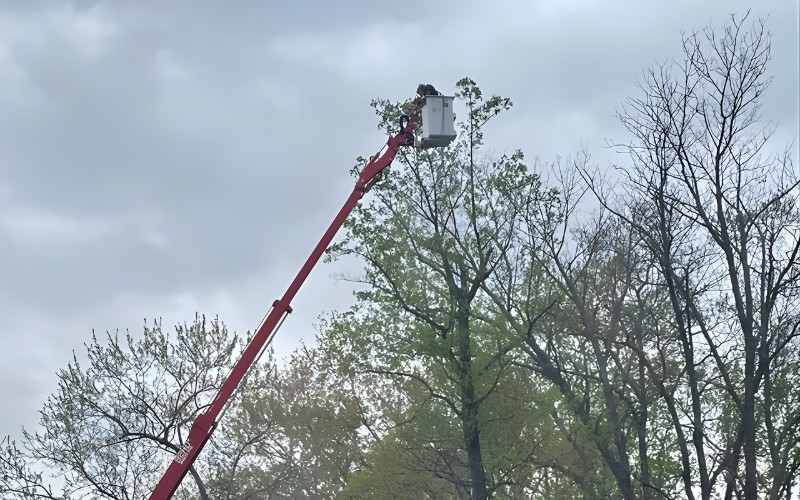
Pruning from a bucket truck allows arborists to safely reach damaged branches high in the canopy while preserving the tree’s overall structure.
Why an Arborist Assessment Is the Right First Step After Tree Damage
After storm or structural damage, it’s rarely obvious whether a tree needs pruning, cabling, monitoring, or removal. Trees can look stable from the ground while hiding internal cracks, compromised roots, or structural failures that only show up under load.
A Certified Arborist’s role isn’t to default to removal — it’s to evaluate risk, preserve viable trees, and recommend the least invasive solution that still keeps people and property safe.
Rather than trying to self-diagnose, an on-site assessment allows an arborist to evaluate the entire tree system and determine what’s actually going on.
PRO TIP: A good arborist tells you the truth, even when that means recommending less work (and less money) for them. If pruning will save your tree, they’ll say so. If removal is the only safe option, they’ll explain exactly why. Be wary of any company eager to chop down your tree without explanation or an extensive assessment.
Frequently Asked Questions About Tree Pruning vs. Removal
Do I need a permit to remove a tree in Winston-Salem?
Private homeowners in Winston-Salem do not need permits for tree work on their own property. Permits are only required for commercial development projects or work on public property. However, if your property is in a historic district or has specific deed restrictions, check those requirements first.
Will removing a tree damage my lawn or landscaping?
Professional tree services use equipment designed to minimize yard impact. We use mats to protect grass, carefully control where debris falls, and clean up thoroughly. Some temporary lawn compression may occur with heavy equipment, but grass typically recovers within a few weeks.
How long does a tree assessment take?
A standard tree assessment takes 20 to 45 minutes, depending on the number of trees and complexity of the situation. The arborist will walk your property, examine the tree in question, and explain their findings and recommendations on the spot.
Can I get a second opinion if I’m told my tree needs removal?
Absolutely — and you should if you have any doubts. An ethical arborist won’t be offended by a second opinion. If two certified professionals agree the tree needs removal, you can feel confident in the decision.
What happens to the stump after tree removal?
Stump grinding is typically a separate service. Most homeowners choose to grind the stump 4-6 inches below grade so they can cover it with soil and grass. If you’re planning to plant a new tree in the same spot, deeper grinding may be recommended.
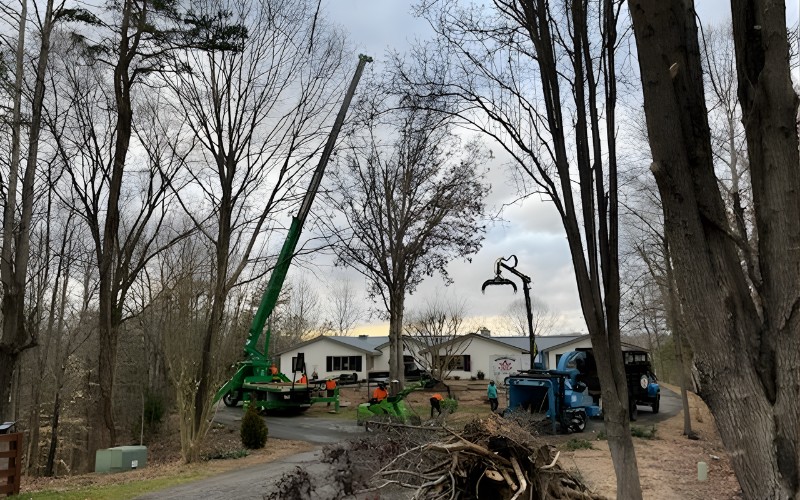
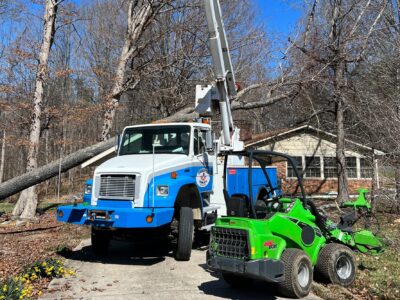
When removal is the right call, crane-assisted tree removal gives crews precise control — protecting your property and the surrounding landscape.
Get an Expert Opinion Before You Decide — Call Godspeed Tree Today!
That damaged tree in your yard? It might be a survivor — or it might be a liability waiting to happen. The difference often comes down to where the damage is and whether you catch it in time.
At Godspeed, we’ve been helping Winston-Salem homeowners make this decision for more than 26 years. We offer free tree health consultations — no pressure, just honest answers about what your tree actually needs. So, when you’re looking at a damaged tree and wondering what to do, call 336-448-4621 or request a quote online. We’ll help you make the right call.
Godspeed Tree Service
Owned and operated with high standards and consistent reliability by Bobby Gates, Godspeed Tree Service has earned the trust of the North Carolina Triad community over the course of more than 25 years in business. With a strong emphasis on safety, conscientious training, and accommodating the needs of each client, you can't go wrong by hiring Godspeed for any of your tree service needs!