A Year-Round Tree Care Planning Calendar for Winston-Salem Homeowners
January 12, 2026
Plan tree care throughout the year with a calendar tailored to Winston-Salem’s climate, seasonal needs, and common pests to support long-term tree health.
For many homeowners, mature trees are one of the most valuable features of their property and one of the easiest to take for granted. That gorgeous oak shading your backyard has likely been growing for decades, possibly even longer than you’ve lived in your home. The start of a new year is the perfect time to think about what your trees may need in the months ahead.
A tree health monitoring calendar helps you stay ahead of problems instead of reacting to them. Learn what tree services to schedule when – all tailored specifically to Winston-Salem’s climate, common pests, and weather patterns. When you catch issues early, you save money and keep your trees healthy for decades to come.
Key Takeaways
- Schedule structural pruning and tree assessments in late winter (February-March) when arborists can see problems clearly and wounds heal fastest.
- Use seasonal monitoring to plan pest inspections and preventative treatments before the next emergence window.
- Plan summer watering routines in June before drought stress sets in, since stressed trees become expensive problems within a year or two.
- Complete storm preparation work in September-October, before hurricane season and winter ice storms turn vulnerable trees into emergencies.
- Scheduling the right service in the right season helps reduce the risk of emergency work later.
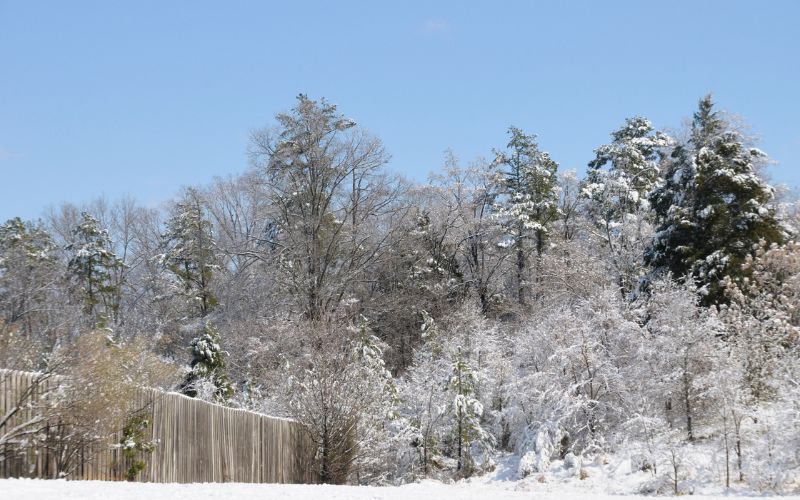
Why Does a Year-Round Tree Care Plan Save You Money?
A year-round tree care plan saves money by catching small issues before they turn into expensive problems. Most tree failures don’t happen suddenly. The conditions that lead to decline or failure usually develop gradually, often over months or years. When trees are monitored regularly, there’s time to address concerns early, while options are still manageable.
Here’s how that plays out in real life:
- Early Intervention Keeps Costs Predictable: If a Certified Arborist identifies early decay during a winter inspection, they may recommend targeted pruning or structural support. Those services are typically far less disruptive than waiting until a storm exposes the problem and turns it into an emergency removal.
- Seasonal Timing Makes Treatments More Effective: Dormant pruning heals faster because trees direct energy to wound closure when spring growth begins. And pest treatments work best when applied before insects emerge, not after they’ve already caused damage.
- Healthy Mature Trees Add Significant Property Value: And keeping them healthy costs far less than replacing them – or dealing with the liability when they fail.
What Tree Care Should You Schedule in Winter? (January-March)
Schedule professional tree assessments and structural pruning during winter months for the best results; more specifically, trees should be assessed in January so they can be pruned between February and March.
Winter is the best time to schedule major structural work – like pruning to correct weak branches, remove deadwood, and improve tree structure – along with thorough assessments that set your trees up for a healthy year. With leaves gone, arborists can see problems that stay hidden the rest of the year.
What Do Winter Assessments Help Identify?
Winter assessments reveal structural defects, damage, and early disease signs that foliage conceals during the growing season.
Some examples include:
- Crossing branches that rub and create wounds
- Weak unions where branches meet the trunk
- Co-dominant stems that split under stress
- Dead limbs tucked behind foliage
- Cracks at branch junctions
Think of your January assessment like planning appointment. You’ll get an honest evaluation of what your trees need — and recommendations for which work to prioritize.
What Makes February-March the Ideal Pruning Window?
Late winter is ideal for structural pruning because trees are dormant, wounds heal quickly, and branch structure is clearly visible.
Trees experience minimal stress from pruning during dormancy, and wounds close rapidly once spring growth begins, making this the safest time for major structural work.
Homeowners in historic neighborhoods, like Ardmore, West End, and Buena Vista, often have mature hardwoods that benefit most from dormant-season pruning – and those jobs book up quickly. If you want work done in February or March, schedule your professional assessment in January.
What Should a Winter Tree Assessment Include?
A winter tree assessment should evaluate structural defects, previous damage, and overall tree health while branches are visible.
Your arborist should check for:
- Structural defects, including weak unions and co-dominant stems
- Storm damage from the previous season
- Signs of decay, cavities, or fungal growth
- Dead or dying branches that could fall
- Trees that might benefit from cabling systems
Think of this as your peace-of-mind appointment. An ISA Certified Arborist can spot problems that homeowners typically miss, and catching them now means addressing them before spring growth begins.
What Tree Services Do You Need in Spring? (April-May)
In spring, the priority shifts from pruning to pest prevention and monitoring for signs of stress or disease. As trees leaf out and temperatures rise, spring reveals how your trees handled winter and what may need attention later in the year.
Rather than scheduling major pruning or treatments, spring is about observing changes, confirming tree health, and planning ahead based on what you see.
What Can Spring Growth Tell You About Tree Health?
As leaves emerge, trees show early signs of stress, recovery, or decline. Paying attention now helps identify issues while there’s still time to respond thoughtfully.
Things to watch for include:
- Delayed leaf-out compared to surrounding trees
- Thin or uneven canopy growth
- Dead branches that didn’t leaf out
- Leaves that appear undersized, discolored, or distorted
These symptoms don’t always signal an emergency, but they are important data points. An arborist can help determine whether what you’re seeing is normal seasonal variation or something that should be addressed later.
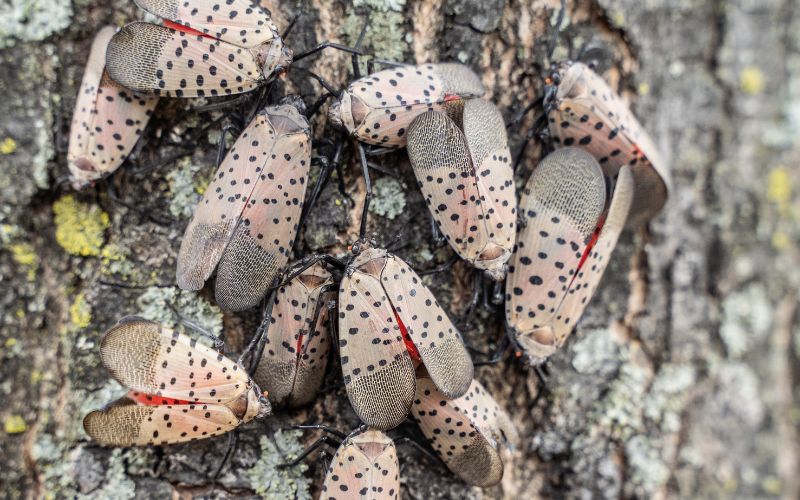
Year-round monitoring helps you catch emerging threats early; spotted lanternfly, for example, has reached North Carolina and checking trees regularly means faster treatment if they arrive on your property.
Why Spring Is the Right Time to Monitor Pests and Diseases
Spring is when insect activity and disease symptoms become visible. While most preventative treatments are applied during dormancy, spring monitoring helps guide future decisions.
This is the season to note:
- Caterpillars, inchworms, or larvae on foliage
- Early chewing damage or skeletonized leaves
- Sticky residue or honeydew on leaves or surfaces below
- Unusual spotting or blotching on new growth
Seeing these signs doesn’t always mean immediate treatment is required. In many cases, spring observations help determine whether preventative measures should be scheduled later in the year or during the next dormant season.
What Should You Monitor in Summer? (June-August)
When summer hits, the goal is protecting your trees from heat and drought stress while monitoring for pest activity.
How Do You Protect Trees From Summer Drought?
Protect trees from summer drought by watering deeply and infrequently; this encourages roots to grow downward seeking moisture.
These are some effective summer watering tips:
- Water deeply once a week rather than briefly every day
- A slow trickle from a hose for 30-60 minutes does more good than daily sprinkles
- Focus especially on young and newly planted trees
Signs of drought stress to watch for:
- Wilting leaves
- Scorched leaf edges
- Premature leaf drop
Stressed trees become magnets for pests and diseases. This means that a tree weakened by summer drought is far more likely to develop problems within the next year or two – problems that cost significantly more to address than simply keeping up with watering.
What Tree Care Should You Schedule in Fall? (September–December)
Complete structural pruning, cabling installations, and hazard tree removals should all be completed before winter storms arrive.
As temperatures cool, fall becomes get-it-done season. The work you complete now determines what happens when storms hit – and in Winston-Salem, that can mean hurricanes, nor’easters, or ice storms.
Hurricane season runs through November in North Carolina. One afternoon of preparation work in September can prevent a 3 AM emergency call in October. The trees that fail during storms are almost always the ones that showed warning signs earlier; signs that proactive maintenance would have addressed.
What Does Fall Foliage Tell You About Tree Health?
Fall foliage reveals stress, disease, or root problems through off-color leaves, early leaf drop, or inconsistent coloring across the canopy.
These warning signs indicate something more than the normal seasonal color change:
- Leaves turning yellow when they should turn red
- Sections dropping early while the rest of the tree holds on
- Unusual spotting or discoloration
Fall is your last “reading” before trees go dormant. If a tree showed stress this year, fall fertilization can support recovery before dormancy – and scheduling a late-fall assessment lets you plan winter pruning while the season’s performance is fresh in your mind.
How Should You Prepare Trees for Storm Season?
Prepare trees for storm season by removing deadwood, addressing structural weaknesses, and installing cabling on compromised trees before winter weather arrives.
The work you complete in fall determines how your trees handle whatever winter brings – and in Winston-Salem, that often means ice. The February 2021 ice storm, for instance, left over 65,000 North Carolinians without power as fallen trees downed power lines across the Piedmont Triad – including a 150-year-old tree at a Winston-Salem school. What’s worse: most failures occurred in trees with existing structural problems that could have been corrected.
Storm preparation priorities include:
- Removing dead branches that could fall during high winds
- Addressing structural weaknesses identified in earlier assessments
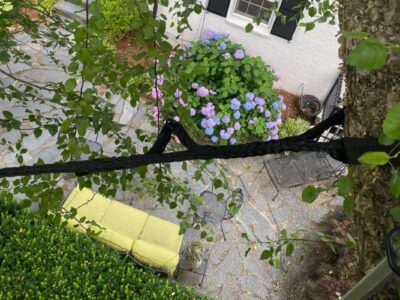
- Installing Cobra cabling systems for trees with weak unions or co-dominant stems
- Clearing branches that could damage your roof or power lines
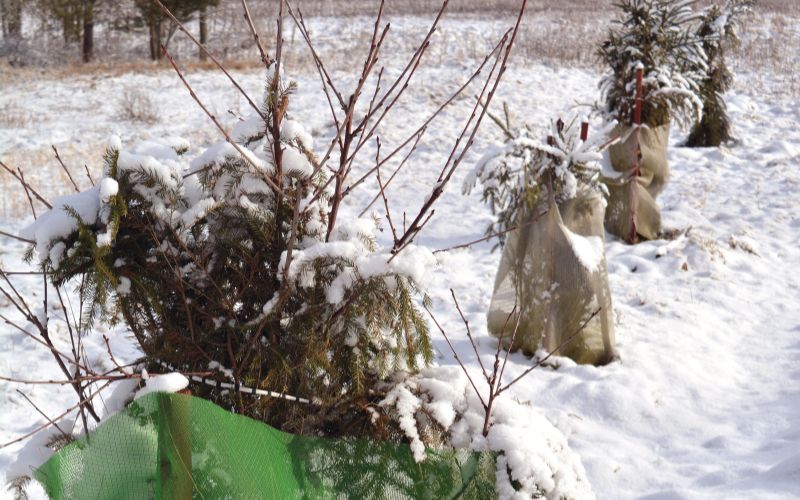
Once the major structural work is done, a few simple steps help protect all your trees – especially younger ones – through the coldest months:
- Addressing hazard trees before freezing weather arrives
- Wrapping trunks of young trees to prevent sun scald
- Adding extra mulch around root zones
- Continue watering during dry spells (dormant trees still need moisture)
Your Monthly Tree Care Calendar at a Glance
Use this quick-reference calendar to stay on track throughout the year. Timing may shift slightly based on weather, but these windows are reliable for Winston-Salem.
| Month | What to Schedule | Why This Timing Matters |
| January | Dormant pruning assessment | See structure clearly; book before spring rush |
| February | Structural pruning work | Ideal pruning window; wounds heal fast |
| March | Complete pruning before bud break | Last chance before disease transmission risk |
| April | Monitor only – avoid oak/elm pruning | Oak wilt and Dutch elm disease transmission peak |
| May | Pest treatment if needed | Last preventive window before summer stress |
| June | Establish watering routine | Drought stress prevention starts now |
| July | Monitor for heat stress | Catch problems early; light pruning only |
| August | Book fall assessment | Arborist schedules fill up fast; plan ahead |
| September | Storm prep work | Hurricane season; address hazards before storms |
| October | Fall fertilization if needed | Support recovery before dormancy |
| November | Cankerworm banding; winter prep | Moths emerge now; prevent spring damage |
| December | Protect young trees; schedule January assessment | Ice storm season; book early for February-March pruning |
Frequently Asked Questions About Year-Round Tree Care
How much does professional tree care cost in Winston-Salem?
Costs vary based on tree size, service type, accessibility, and job complexity. Godspeed provides free on-site estimates so you know exactly what to expect before work begins.
How far in advance should I schedule tree work?
For routine work, 2-4 weeks ahead is typical. Late winter pruning season and post-storm periods book up faster, so plan four to six weeks out during busy times.
How long does it take for a tree to recover from pruning?
Healthy trees begin healing immediately and show visible callus growth within one growing season. Proper pruning techniques – avoiding topping and flush cuts – promote faster recovery.
Where do I start with year-round tree care if I haven’t done any tree maintenance in years?
Start with a professional assessment to identify immediate concerns and prioritize work. Your arborist can help you build a maintenance schedule based on what your trees actually need – not every tree requires the same level of care.
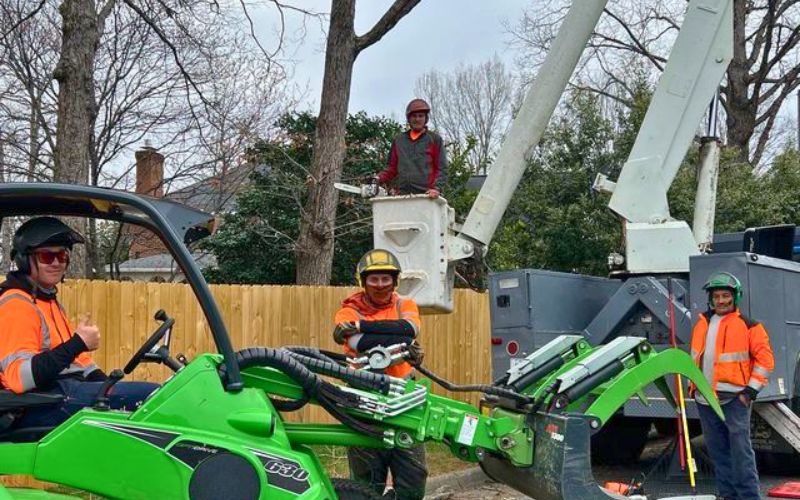
Start Your 2026 Tree Care Plan With Godspeed Today
Proactive seasonal care saves money and protects the trees you’ve invested in. Instead of waiting for problems to become emergencies, a tree health monitoring calendar keeps you one step ahead – and Godspeed is here to help you stay on track.
January and February are the perfect time to start. Schedule a dormant season assessment and get expert eyes on your trees before the busy season begins. You’ll get an ISA Certified Arborist evaluation, honest recommendations about what actually needs attention, and a clear plan for the year ahead.
Ready to get started? Request your free estimate or call us at 336-448-4621. Let’s get your trees on track for 2026.

Godspeed Tree Service
Owned and operated with high standards and consistent reliability by Bobby Gates, Godspeed Tree Service has earned the trust of the North Carolina Triad community over the course of more than 25 years in business. With a strong emphasis on safety, conscientious training, and accommodating the needs of each client, you can't go wrong by hiring Godspeed for any of your tree service needs!